*

Leave a Message

Thank you for your message. We will be in touch with you shortly.

What Influences Home Appraisals in Ocala

January 8, 2026

If you are buying or selling in Ocala, the appraisal can feel like the moment of truth. You want a fair value that reflects your home’s real strengths, not a number pulled from thin air. In this guide, you will learn exactly what influences appraisals in Ocala and wider Marion County, how to prepare, and what to do if the value comes in lower than expected. Let’s dive in.

How Ocala appraisals work

Purpose and standards

Mortgage appraisals estimate market value for a specific date and the local buyer pool. Appraisers must follow Uniform Standards of Professional Appraisal Practice, plus lender rules from conventional, FHA, or VA programs. In Florida, appraisers are licensed and regulated, and their credential level affects which property types they can appraise.

Three approaches to value

  • Sales comparison: The primary method for most homes. The appraiser selects recent, nearby closed sales and adjusts for differences.
  • Cost approach: Useful for new builds or unique homes. It estimates what it would cost to replace the home, minus depreciation, plus land value.
  • Income approach: Used when a property produces income or when income potential influences market value.

Local value drivers in Ocala

Comparable sales and location

Recent, arm’s-length sales of similar homes carry the most weight. In Ocala’s subdivisions, comps often come from the same neighborhood. In rural Marion County, appraisers may widen the search radius or look back 6 to 12 months if sales are scarce. Key variables include lot size, square footage, bed and bath count, effective age, and zoning or use.

Condition, updates, and permits

Overall condition and any deferred maintenance directly affect value. Effective age matters too. A 20-year-old home with a full, permitted renovation can perform closer to newer comparables. Documented permits and final inspections add confidence for lenders, while unpermitted work can reduce value or trigger repair and permit requirements.

Acreage and lot utility

In rural parts of Marion County, usable acres often matter more than raw acres. Fenced pasture, irrigated paddocks, or cleared buildable areas add more value than wetlands or conservation easements. Access also counts. Private roads, shared maintenance, or poor road conditions can affect value or marketability. Public water and sewer can widen the buyer pool in some areas, while well and septic are normal on larger lots if properly documented.

Outbuildings and equestrian features

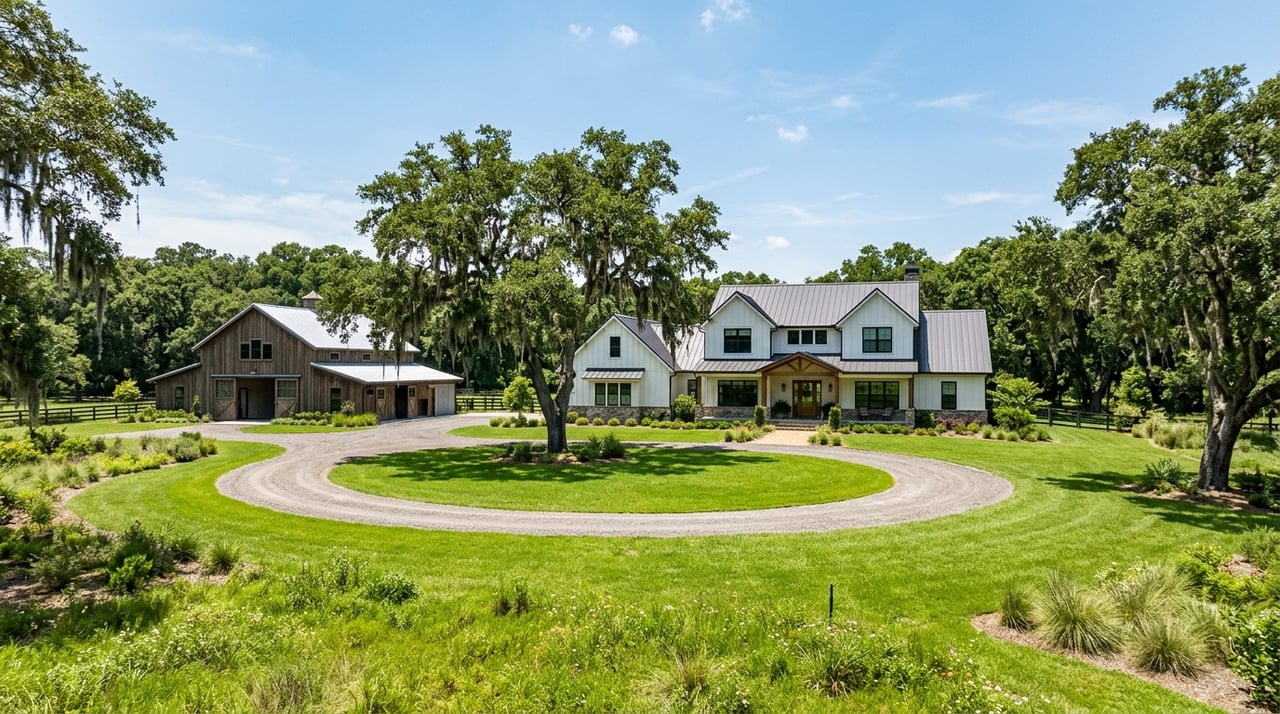
Ocala’s equestrian identity means barns, arenas, and shops can add meaningful value when the buyer pool needs them. Quality and function drive the adjustment. For example, a well-built barn with electric and water, a tack room, or a climate-controlled space typically contributes more than a simple pole barn. Guest houses or accessory dwellings must have proper permits and utilities to be fully considered.

Zoning, use, and environmental factors

Zoning, agricultural classifications, and deed restrictions influence how a property can be used. Agricultural tax status can lower property taxes, but it does not set market value for lending. Flood zones, wetlands, and soil or drainage issues can impact value or insurance requirements. Appraisers verify these items through local records and maps.

Market conditions and timing

If prices are rising or inventory is tight, list and pending data help show trend direction. Appraisers still rely on closed sales to support value. A contract price that is higher than recent comps may not be fully supported without credible market evidence.

What data appraisers check

  • Local MLS for closed and active listings.
  • Marion County property records for parcel details and tax classification.
  • Permit records and inspections for additions or major upgrades.
  • Flood maps to confirm flood zone status.
  • Surveys, floor plans, and prior appraisals or inspections if provided by the owner.

How to prepare for your appraisal

Gather the right documents

  • Permits and final inspections for renovations or additions.
  • Receipts and invoices for major improvements like roof, HVAC, kitchen, or septic.
  • Recent survey or plat, plus a floor plan or measured sketch.
  • Outbuilding details: size, construction date, utilities, stalls, arena specs, and use history.
  • Evidence of acreage utility: fencing, paddocks, irrigation, pasture or timber management, or leases.
  • Septic inspection and well information if applicable.
  • HOA or road maintenance agreements, easements, and deed restrictions.
  • Clear photos of interiors, exteriors, and any locked or remote structures.

Improve condition and access

  • Fix obvious safety issues and deferred maintenance.
  • Ensure easy access to attic, mechanicals, utility rooms, and outbuildings.
  • Clean and declutter so room function and condition are easy to confirm.
  • Provide keys, remotes, and gate codes. Mark gates or property segments on large parcels.

If you have equestrian or acreage features

  • Prepare a one-page summary of usable acres vs wetlands, fencing types, number of stalls, arena size and footing, and any boarding or income history.
  • Distinguish structural improvements from site features, such as irrigated pasture vs timber.
  • Share recent sales of similar horse or farm properties if you have them.

For buyers

  • Expect the appraiser to verify condition and use, including outbuildings.
  • Make sure your lender’s appraisal scope covers specialty features when you buy acreage or equestrian properties.
  • If the contract includes repairs or concessions, confirm how they are documented and scheduled.

If the value comes in low

When a reconsideration makes sense

A reconsideration of value is worth pursuing when there are clear errors or omissions. Examples include incorrect square footage, missing bedrooms or bathrooms, misidentified lot size, omitted permitted improvements, or the use of distant or non-comparable sales when better comps exist. Missing documentation on barns or usable acreage can also skew value.

How to request a reconsideration

  1. Gather evidence. Provide surveys, permits, contractor invoices, septic and well reports, and a floor plan or sketch. Include three to five closed sales with photos and a short explanation of why each is more comparable.
  2. Contact your lender, not the appraiser. The lender is the appraiser’s client and controls next steps.
  3. Submit a concise request. Highlight specific factual errors and attach your documentation and alternate comps.
  4. Expect a review. The lender may request revisions, order a desk or field review, or order a second appraisal.

Practical limits

Lenders do not change value simply because parties disagree. They need credible evidence. For unique properties like horse farms, a second appraisal by a specialist can offer a more accurate perspective if the lender permits it.

Appraisal vs tax assessment

An appraisal for lending and a tax assessment are different processes. Appraisals estimate current market value for a mortgage decision. Assessments determine taxable value for local property taxes. If you plan to contest either one, you will follow separate rules and timelines.

Ready to move in Ocala?

Whether you are preparing a city home near amenities or a farm with stalls and pasture, a clear plan helps your appraisal reflect true market value. If you want a local strategy for pricing, prepping documentation, and timing, our team is here to help. Connect with The Acevedo Team to review your goals and Book Your Free Home Valuation.
FAQs

What factors influence an Ocala home appraisal?

  • Appraisers weigh comparable sales, condition and effective age, permits, lot utility and acreage, outbuildings, zoning or environmental factors, and current market trends.

How do barns and arenas affect value in Marion County?

  • Functional, well-built, and permitted equestrian improvements with utilities can add value when the buyer pool demands them, especially compared to simple storage structures.

Do permits for renovations matter to the appraiser?

  • Yes. Documented permits and final inspections support value and reduce lender risk, while unpermitted work can limit value or require repairs before closing.

How is acreage valued for rural Ocala properties?

  • Appraisers focus on usable acres, fencing, access, and utilities. Usable, fenced pasture usually contributes more than wetlands or unbuildable land.

What is a reconsideration of value, and when should I request it?

  • It is a lender-managed review of an appraisal. Request one when there are verifiable errors or omitted, superior comparable sales that could change the conclusion.

Do flood zones or environmental issues impact value?

  • They can. Flood zones, wetlands, or soil and drainage concerns may affect marketability, required insurance, and the appraiser’s final opinion of value.

Work With Us

Our experience and excellent negotiating skills are the reason why you could trust us with one of the most important purchases of your life.