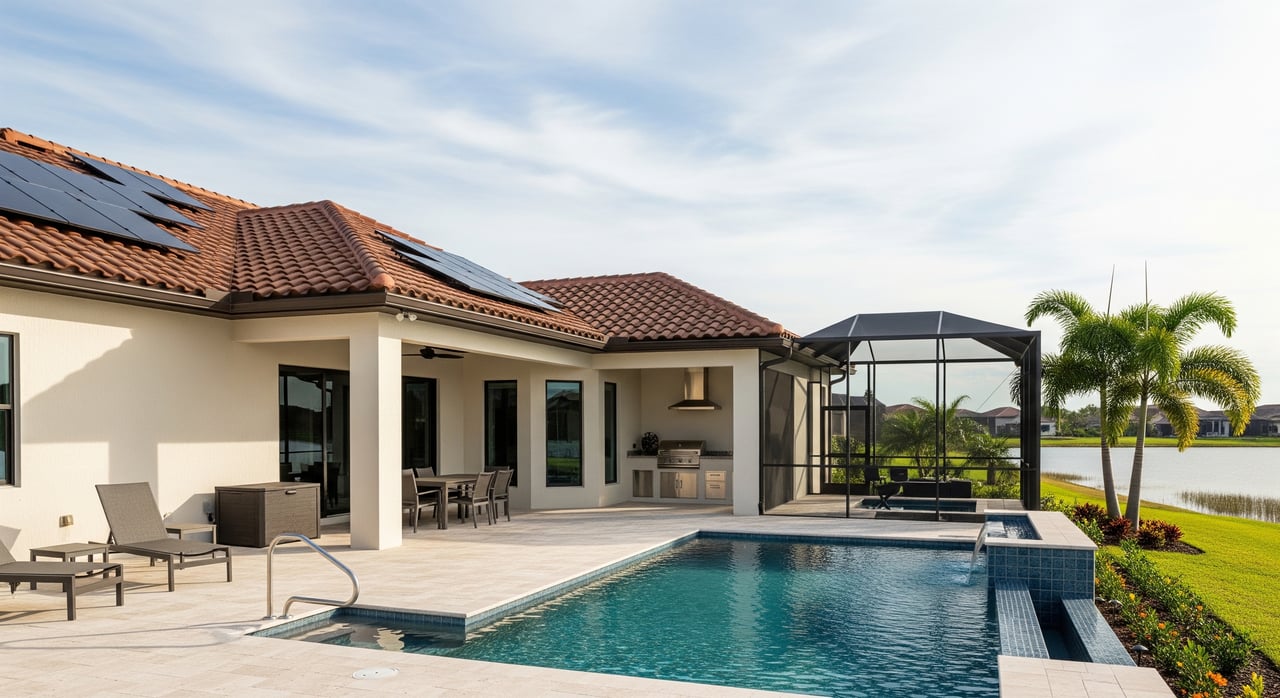
Home Inspection Types in Davenport Explained
January 22, 2026
January 22, 2026
Buying in Davenport and not sure which inspections you actually need? You’re not alone. Florida has a few unique inspection types that affect your insurance, budget, and negotiation power. In this guide, you’ll learn what each inspection covers, when to order it, and how it can impact your closing. Let’s dive in.
A standard home inspection is your first look at a property’s overall condition. A licensed home inspector visually checks the foundation and structure, roof surface, exterior, windows and doors, plumbing, electrical, HVAC, insulation and ventilation, and interior finishes. You get a clear list of safety items, repair needs, and maintenance priorities.
A standard inspection is noninvasive. Inspectors do not open walls or guarantee future performance. It’s not a code compliance review or a warranty. If the inspector spots something suspicious, they may suggest a specialist, such as a roofer, engineer, or HVAC contractor.
You typically order this right after your contract is signed and within your inspection period, often 7 to 14 days. The goal is to understand condition, estimate repair costs, and decide whether to ask for repairs or credits, continue as-is, or walk away.
The 4-point inspection is focused on four systems insurers care about most: roof, electrical, plumbing, and HVAC. It documents the age, type, and condition of each.
A licensed inspector completes an insurer-accepted form with details like roof covering type and age, electrical panel brand, plumbing materials, and HVAC age and operation. It does not replace your standard inspection. It only captures what insurance underwriters need to evaluate risk.
Insurers often request a 4-point for older homes, commonly around 25 to 35 years or more. Buyers in Davenport usually order it when the home’s age suggests insurance will ask for it. Getting it early helps avoid last-minute delays.
A 4-point that shows problematic systems can lead to insurer conditions, exclusions, higher premiums, or even a declination. You can use those findings to negotiate repairs, escrowed funds, or price reductions. Sometimes sellers agree to replace a roof or panel so the home is insurable at closing.
A wind mitigation inspection documents features that help a home stand up to hurricanes and strong storms. In Florida, that can mean lower premiums if the home earns credits.
Inspectors look at roof shape and covering, how the roof deck is attached, roof-to-wall connections like hurricane straps, secondary water resistance, and opening protections such as shutters or impact glass. Results are recorded on an insurer-accepted form.
Davenport sits inland, but storm risk still matters in underwriting. Homes with verified wind-resistant features often qualify for insurance credits. Lack of these features can mean higher premiums, even if insurance is still available.
If the inspection shows strong wind protection, it can be a selling point and help you estimate lower insurance costs. If features are missing, you can price out retrofits and factor them into your offer or repair requests.
A WDO inspection checks for wood-destroying organisms, including termites, certain beetles, and wood decay. In Florida, this inspection is especially important due to climate and building materials.
Licensed pest control professionals perform WDO inspections. Lenders may require a WDO report in certain situations. Many buyers and investors order one, especially for older or wood-framed homes or when there are signs of moisture or damage.
Active infestations typically must be treated before closing. Damage may need repair to meet lender or insurer requirements. These findings often lead to seller-paid treatment, credits, or price adjustments.
Sometimes a standard inspection points to a specific concern. In those cases, ordering a specialist saves you from surprises later.
Underwriters may require system repairs before issuing a policy, add exclusions, or raise premiums for older or unacceptable systems. This can shape repair requests, escrow arrangements, or price changes.
Documented wind-resistant features can lead to measurable premium discounts. Not having them does not usually block coverage in Polk County, but it can increase costs.
Active infestations usually must be treated, and damaged wood may need repair to satisfy lender and insurer requirements. Large issues can justify a credit, a repair agreement, or even a decision to cancel under your inspection contingency.
If you are shopping in Davenport, early planning around inspections and insurance prevents last-minute stress and keeps your closing on track. Our team guides you on which inspections to order, when to order them, and how to use the results to negotiate with confidence. Connect with The Acevedo Team for bilingual, local support through every step. Hablamos español.
Work with the trusted local pros at The Acevedo Team.
June 4, 2026
May 28, 2026
May 21, 2026
May 14, 2026
May 7, 2026
April 23, 2026
April 16, 2026
April 9, 2026
April 2, 2026
Our experience and excellent negotiating skills are the reason why you could trust us with one of the most important purchases of your life.