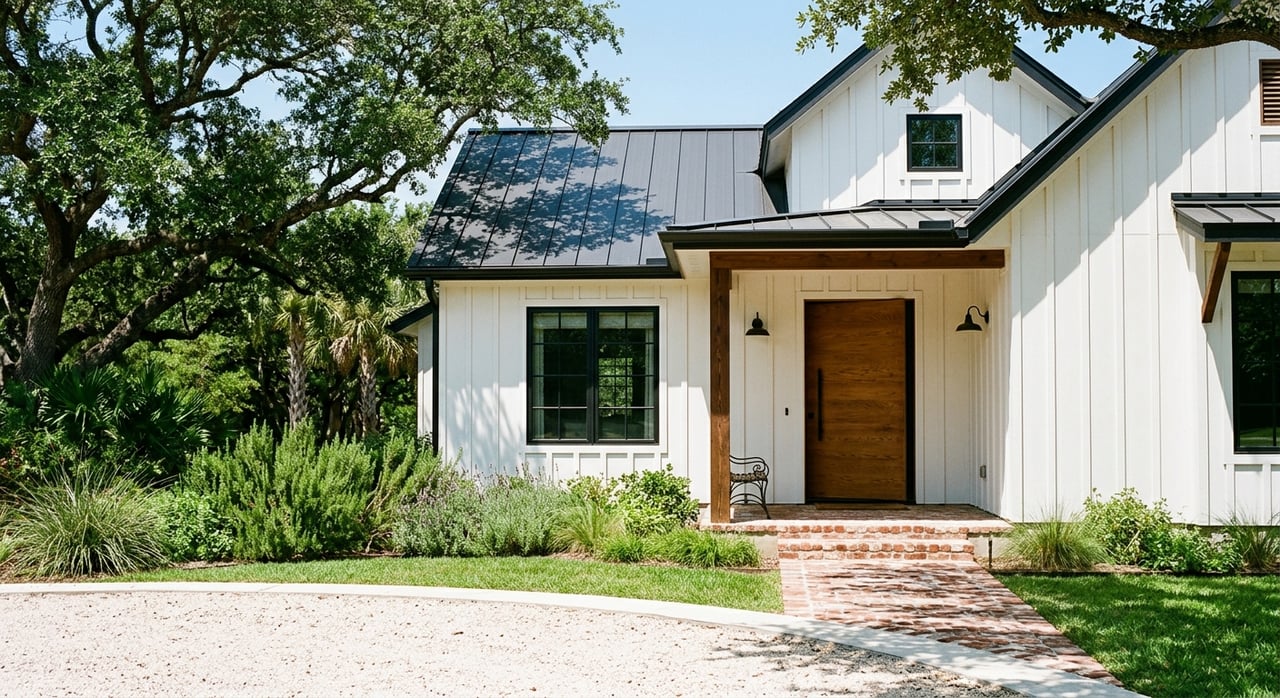
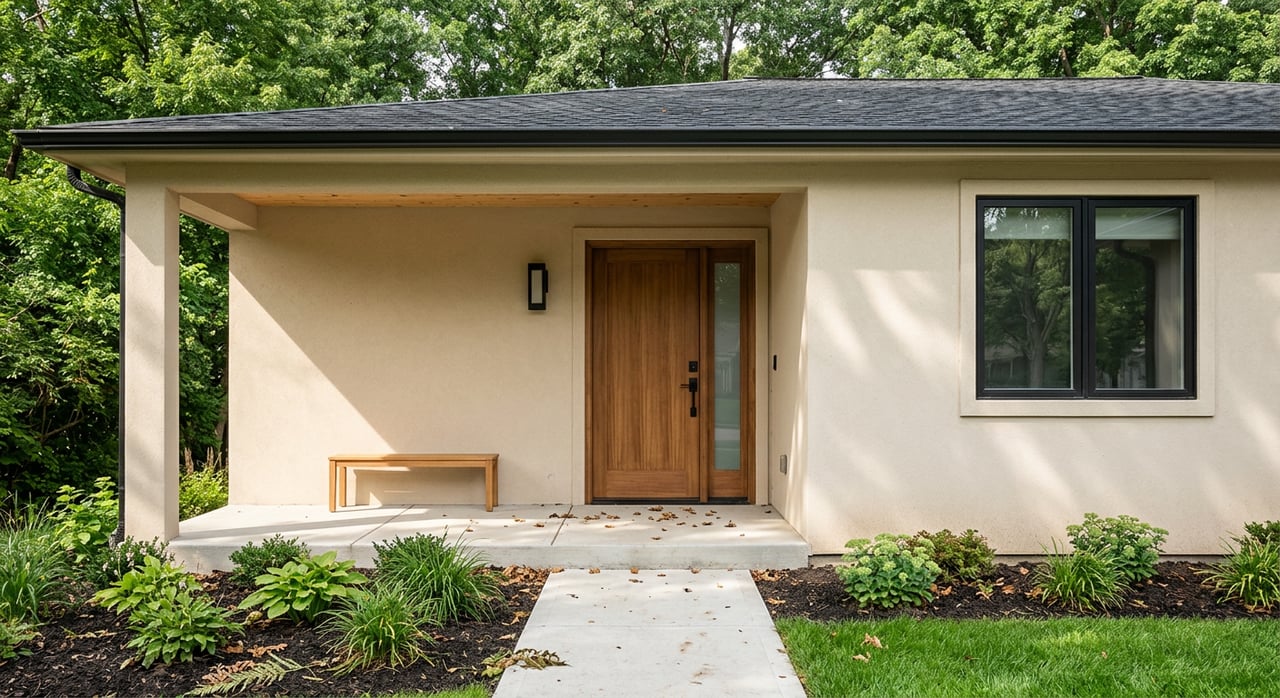
Torn between a condo with skyline views and a house with a backyard in Miami? You’re not alone. With prices, insurance, and HOA dues shifting fast, it can feel hard to compare apples to apples. In this guide, you’ll get a simple way to weigh costs, risks, lending, and lifestyle so you can choose with confidence. Let’s dive in.
Miami market at a glance
Miami-Dade single-family homes continue to sell for more than condos overall. According to MIAMI REALTORS® reporting, the county’s median single-family sale price reached about $699,990 in January 2026. You can see the latest county stats in the MIAMI REALTORS® monthly market summary for context and updates (MIAMI REALTORS® market report).
Condos typically list and sell for less than single-family homes countywide, but the gap varies by neighborhood. Some coastal condo submarkets have shown softer pricing and longer days on market than inland areas, reflecting higher inventory and shifting buyer leverage. Recent analysis also notes higher HOA dues across many buildings, with medians near the top of major metros studied (Redfin research on Florida condo HOAs).
Bottom line: condos often cost less up front, but you need to budget carefully for HOA dues and assessments. Houses cost more up front and shift maintenance to you, but financing and resale can be simpler.
Cost comparison: what to budget
HOA dues and assessments (condos)
Many Miami high-rises carry substantial monthly HOA dues. A 2025 snapshot found median condo HOA dues in Miami near the high end among major metros, and it’s common to see four-figure dues in amenity-rich towers. Dues often cover common-area maintenance, building exterior, elevators, insurance on shared areas under the master policy, landscaping, and sometimes water. You’ll still carry an HO-6 “walls-in” policy for your unit and should ask about reserve levels and any special assessments (Redfin HOA summary; Citizens Property Insurance overview).
Homeowners insurance and flood
- Single-family owners usually carry an HO-3 or HO-5 policy that insures the structure plus contents. Condo owners carry an HO-6 policy for interiors and contents, while the association’s master policy covers the exterior and common areas. Always confirm master policy deductibles and coverage scope to understand your exposure to assessments (Citizens Property Insurance).
- Flood insurance is a separate policy. Premiums vary by flood zone, elevation, and property-specific factors. Use the county viewer to check a property’s location within flood zones and discuss quotes with your insurance broker early (Miami-Dade flood zone maps).
Property taxes and homestead
If you’ll occupy the property as your primary residence, Florida’s homestead exemption and Save-Our-Homes cap can reduce your taxable value and limit annual assessment increases. Apply with Form DR-501 by March 1 through your county property appraiser (Florida Department of Revenue forms).
Routine maintenance
- House: You take on the roof, exterior, yard, pool, and systems. A common planning rule is to budget roughly 1% to 3% of the home’s value per year for maintenance, though needs vary by age and condition (maintenance budgeting overview).
- Condo: The association handles exteriors and shared systems, which you pay for through monthly dues and potential assessments. You remain responsible for your interior components and appliances.
Building inspections and safety rules to know (condos)
After the Surfside tragedy, Florida strengthened inspection and reserve requirements for many 3-plus story buildings. Miami-Dade also updated its local recertification program. Associations must complete milestone or recertification inspections on a set schedule and perform required repairs, which can lead to higher reserves and assessments. When you evaluate a condo, ask if the building has completed its required inspections, what the engineering reports show, and if any assessments are planned or recently passed (Florida legislative analysis of milestone inspections).
This is one of the biggest differences between condos and houses in Miami today. For most single-family homes, you control your own maintenance timeline. In a condo, the association’s timeline and budget decisions affect your monthly cost and resale.
Financing and resale differences
Lenders evaluate condo projects, not just individual buyers. If a project fails common agency standards for reserves, delinquencies, commercial space, litigation, or investor concentration, it may be considered non-warrantable. That can limit financing choices and reduce the pool of buyers, affecting time on market and resale pricing. Before you fall in love with a building, ask your lender to check project approval paths for conventional or FHA/VA options (condo warrantability basics).
In recent periods, some Miami condo segments have sold more slowly or at larger discounts than single-family homes, partly due to these financing and cost frictions. The pattern varies by neighborhood and building health, so review comps with your agent using hyperlocal data (Redfin Miami condo context).
Lifestyle tradeoffs in Miami
Walkability and amenities
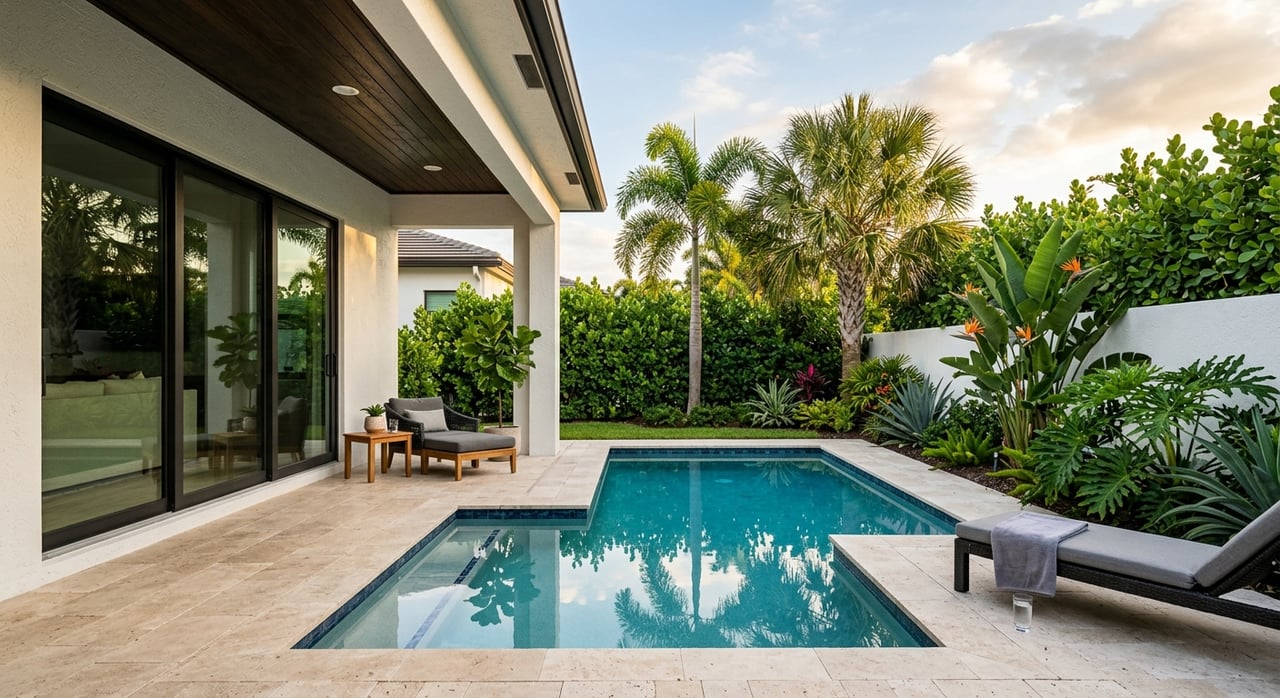
If you want on-site amenities and a lock-and-leave setup, urban condo hubs like Brickell and Edgewater offer gyms, pools, and a short walk to dining. Houses lean toward privacy and personal space, often with a yard, garage, and room for projects.
Privacy and space
Condos share walls and common areas. You gain convenience, but you trade some privacy and storage. Houses offer more separation, outdoor space, and often quieter day-to-day living.
Parking and storage
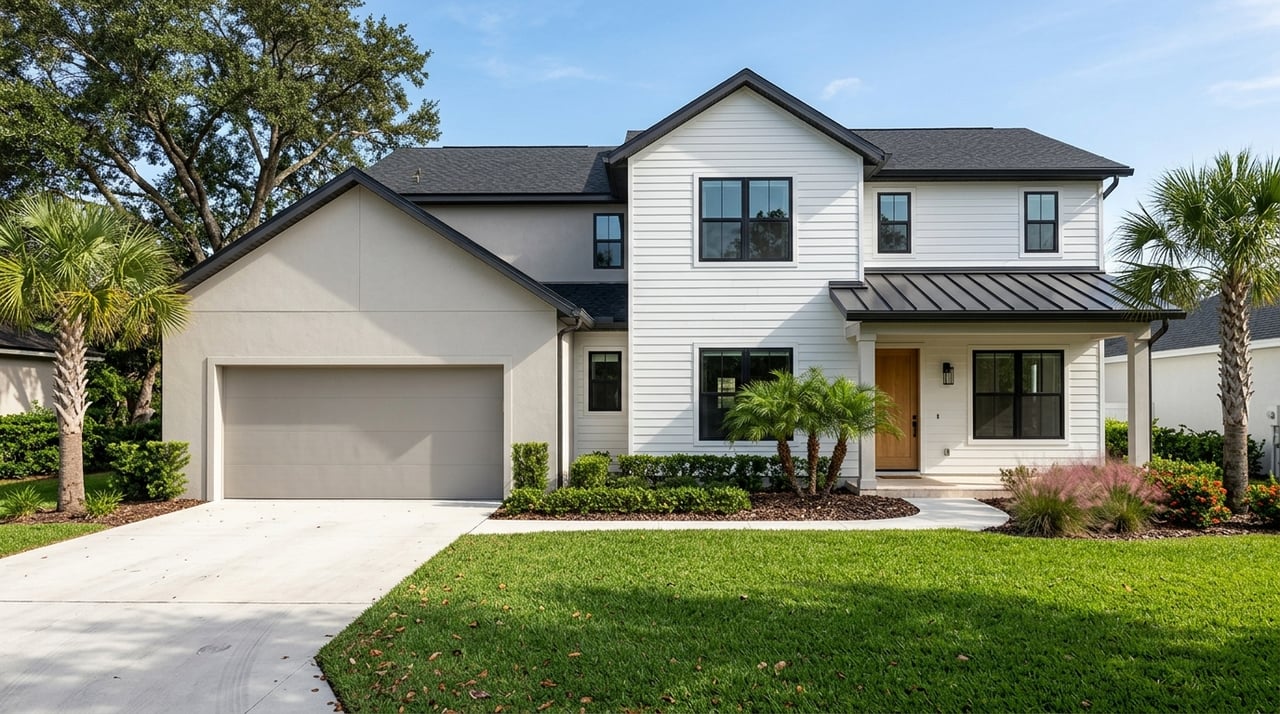
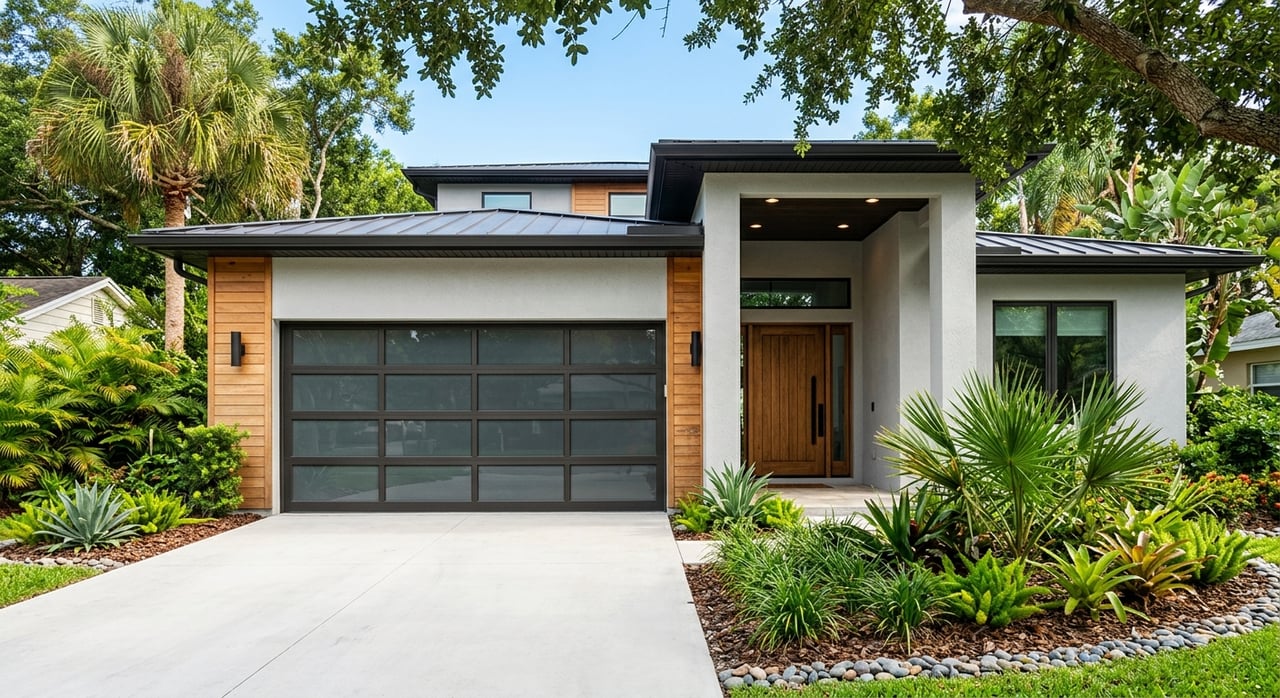
Condo parking is usually assigned and may be limited or paid. Storage is often compact. Houses typically include driveways, garages, and space for gear or hobbies.
Short-term rental rules
If you plan to rent short term, confirm both city rules and the condo association’s covenants. Many buildings limit or ban short-term rentals regardless of municipal rules, and licensing and taxes may apply. Always verify before you buy (overview of short-term rental rules).
Climate and flood
Sea-level rise and coastal flooding are long-term considerations in Miami. Review elevation, flood zones, and resilience planning at the address level before you bid (Miami-Dade sea-level and flooding resources).
Which fits you? Three buyer stories
First-time professional in Brickell/Edgewater
- Condo fit: You want an easy commute, on-site amenities, and predictable exterior upkeep. Focus on buildings with recent milestone inspections, healthy reserves, and clear rental policies if you plan to rent later. Budget for higher HOA dues in full-service towers.
- House fit: If you work hybrid and want more space for pets, parking, or future growth, an inland single-family home could deliver value. Plan for your own exterior maintenance and get firm quotes for wind and flood coverage.
Downsizer or empty nester
- Condo fit: A well-managed building with completed inspections and strong reserves can reduce hands-on maintenance. Ask about staff coverage, accessibility, and reserve funding. The right tower can offer security, services, and community.
- House fit: A smaller one-story home with a manageable yard gives privacy and space for guests without shared systems. Set aside a maintenance budget and compare insurance costs against a condo’s dues.
Investor or seasonal second-home buyer
- Condo fit: Lock-and-leave convenience is ideal if you visit part-time. Confirm rental minimums, lease caps, and any seasonal restrictions in the declaration and rules. Ask about project warrantability to protect resale liquidity.
- House fit: Single-family homes often have fewer financing hurdles and broader buyer pools. If you plan to rent long term, check local rules and insurance costs, then compare net cash flow with a condo after dues.
Quick checklist before you decide
Use this list to compare a specific condo and house side by side. Save it or print it for your tours.
Documents to request for condos
- Declaration, Articles, Bylaws, and House Rules.
- Current budget, most recent audited financials, bank statements, reserve study, reserve balance, year-to-date operating statement, and recent meeting minutes showing major decisions.
- Master insurance certificate(s) covering property, wind/hurricane, and flood, with deductibles noted.
- Any pending litigation or claims disclosures.
- Milestone/recertification and engineering reports, with timelines and notices if repairs are required.
- Current rental policy and any short-term rental limits.
- For recertification context and forms, see the county portal (Miami-Dade recertification resources).
Six key questions to ask the HOA/association
- What are current monthly dues and what do they cover? Any scheduled increases in the next 12 months?
- Are there active or upcoming special assessments? How much and over what timeline?
- Has the building completed required milestone/recertification inspections? If not, when are they scheduled?
- What do recent engineering reports say about structural or system repairs?
- What is the reserve fund balance and does a current reserve study exist?
- What are the rental rules, including minimum lease terms and lease caps?
Two lender checks to run early (condos)
- Is the project warrantable for conventional financing, or will it need a full review? Any known red flags like litigation, low reserves, or high delinquency? (condo financing standards overview)
- Will FHA/VA lending work here, or is approval limited? Confirm before you make an offer.
House vs. condo risk checks for both
- Insurance: Compare HO-3/HO-5 vs. HO-6 quotes and master policy deductibles (Citizens Property Insurance).
- Flood: Check the property’s flood zone and discuss elevation and premiums with your insurer (Miami-Dade flood zone maps).
- Taxes: If this will be your primary home, review Florida’s homestead exemption and deadlines (Florida DOR forms).
- Inspections: For condos, review association engineering reports. For houses, get a thorough home inspection and wind mitigation.
When to bring in the pros
- Before you write an offer: connect with a local buyer’s agent, your lender, and an insurance broker to outline financing paths and realistic monthly costs.
- If a condo shows recent recertification notices or large planned repairs: consult a structural engineer and a condo attorney to review reports and authorities for assessments (Florida milestone inspection analysis).
- If financing is tight or low down payment is planned: have your lender confirm project approval for conventional or FHA/VA before you proceed.
Making your decision
There isn’t a one-size-fits-all answer in Miami. Condos can offer lower entry prices, prime locations, and turnkey living, but dues and assessments matter more than ever. Single-family homes give you control, space, and often simpler financing, but you take on exterior maintenance and full insurance costs. Compare two or three addresses side by side with the checklist above, get real quotes for insurance, and verify building documents before you bid.
If you want help weighing options in Miami or nearby markets, reach out to the team that works at your pace. Connect with The Acevedo Team for bilingual, hands-on guidance from first tour to closing. Hablamos español.
FAQs
What costs do Miami condo HOAs usually cover?
- Typical dues cover common areas, building exterior and structure, elevators, amenities, landscaping, and parts of the building’s insurance via the master policy. You still carry an HO-6 policy for interiors and contents (Citizens Property Insurance).
How do milestone inspections affect condo buyers in Miami-Dade?
- Buildings over certain ages must complete inspections and repairs on a schedule. If reports require work, associations may increase dues or levy special assessments, so review engineering reports and timelines before you buy (Florida milestone inspection overview).
Are condos harder to finance than houses in Miami?
- Sometimes. If a condo project has low reserves, litigation, or high delinquencies, it may be non-warrantable, limiting loan options and buyer pools. Ask your lender to run a project review early (condo warrantability basics).
How should I compare flood risk for a Miami house vs. condo?
- Check each address on the county flood map, note the zone, and talk to your insurer about elevation and premium estimates. Factor flood into your monthly budget for both property types (Miami-Dade flood zone maps).
Do Miami condos allow short-term rentals like Airbnb?
- Many do not. Even if a city allows short-term rentals, condo documents may restrict or ban them. Verify municipal rules and the association’s covenants before you plan on STR income (short-term rental overview).
Is a house always more expensive than a condo in Miami?
- Not always. Single-family homes have higher countywide medians, but individual condos with high dues or assessments can rival or exceed a comparable house’s monthly cost. Review the latest stats and run full monthly numbers (MIAMI REALTORS® market report; Redfin HOA context).